Filed
Federal GrantsFunding file
UW-Stevens Point Gets $5.3 Million to Train Rural Lab Scientists and Therapists
CMS-backed Rural Health Transformation Program gives UW-Stevens Point over $5.3 million over five years for lab science and occupational therapy and audiology degrees. Wisconsin DHS holds a $407 million first-year award.
Key points
- UW-Stevens Point receives more than $5.3 million over five years through the Rural Health Transformation Program.
- Wisconsin DHS received a first-year CMS award of $407,365,094.25, 100 percent federally funded.
- The Universities of Wisconsin system gets $53 million total for 16 projects across 12 universities.
- UWSP will launch a Master of Science in Occupational Therapy and an accelerated Doctor of Audiology within two to three years.
- The lab science grant funds a dual enrollment high school course and a career ladder from laboratory aid to online BS completion.
The University of Wisconsin-Stevens Point will receive more than $5.3 million over five years from the federal Rural Health Transformation Program to expand medical laboratory science education and to launch graduate programs in occupational therapy and audiology.
The money flows through two grants to UWSP's School of Health Sciences and Wellness. The program sits inside the One Big Beautiful Bill and distributes a total of $53 million across the Universities of Wisconsin system over the next five years.
Where does the money come from?
The funder is the Centers for Medicare and Medicaid Services (CMS) of the U.S. Department of Health and Human Services. CMS awarded the Wisconsin Department of Health Services a first-year award of $407,365,094.25, funded at 100 percent by CMS/HHS.
DHS will invest the award across three initiatives:
- Strengthen the Rural Healthcare Workforce
- Drive Rural Technology and Innovation
- Transform Rural Care Through Partnerships
The UW grants fall under the workforce strand. The standard federal disclaimer applies: the contents represent the authors and do not necessarily reflect the official views of CMS/HHS or the U.S. Government.
System-wide, the $53 million supports 16 projects overseen by 12 universities. Projects range from a new regional medical school campus to enhance rural health training capacity, to substance abuse response, to training more assisted living specialists.
"Wisconsin faces critical shortages across multiple healthcare professions, particularly in rural communities," said Renée M. Wachter, interim president of the Universities of Wisconsin. "These federal investments through the UWs will help educate and retain more doctors, nurses, behavioral health professionals and other specialists where they are needed most."
What does the first grant build?
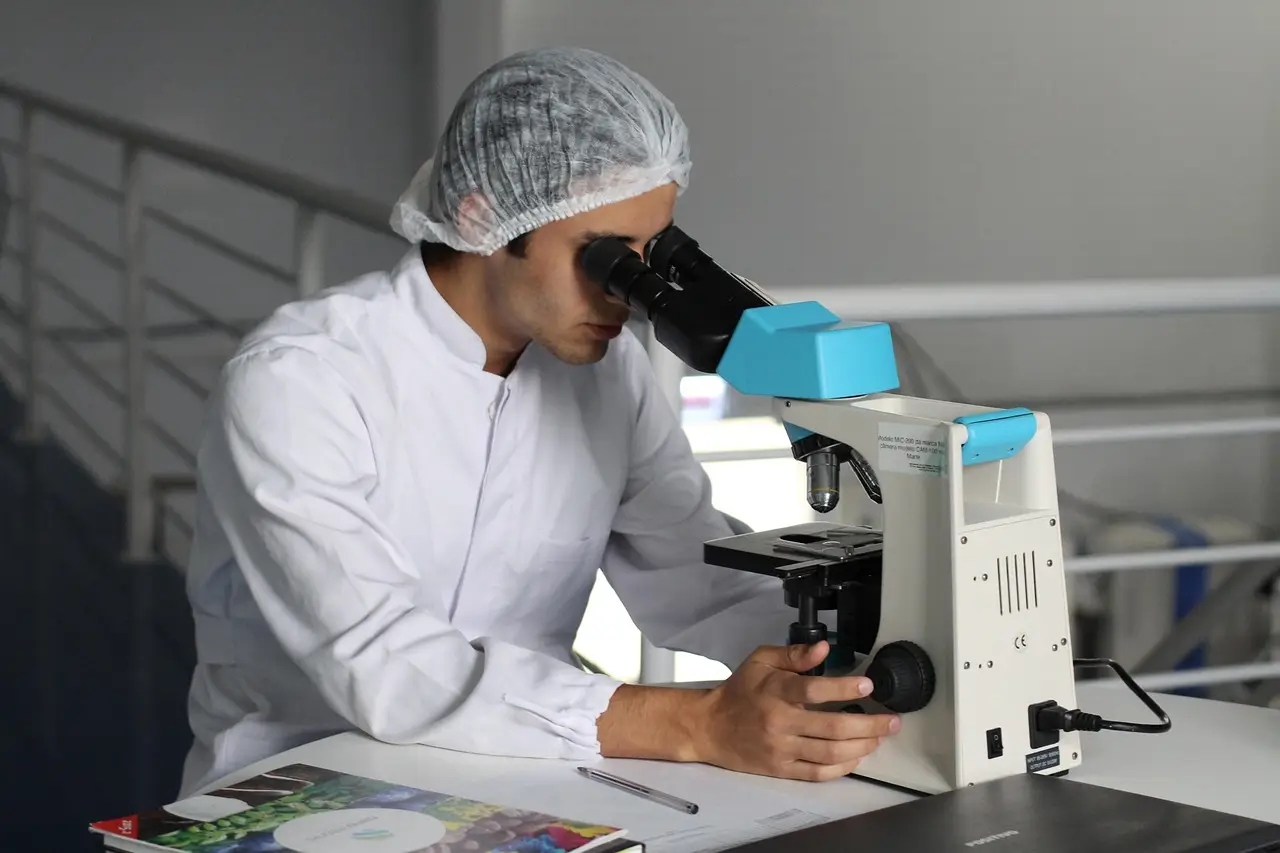
The first grant, titled "Building Rural Medical Laboratory Science Workforce in Collaboration with High Schools, Technical Colleges and Healthcare Systems," targets critical shortages of medical laboratory professionals through two mechanisms: a dual enrollment course to raise high school student awareness of laboratory careers, and coordinated educational pathways for working professionals to climb the medical laboratory career ladder.
The ladder is concrete and step-by-step:
- High school graduates can enter as laboratory aids.
- Seven credits of technical college training qualify them as phlebotomists.
- An associate degree advances them to medical laboratory technician.
- UWSP's fully online medical laboratory technician to medical laboratory scientist Bachelor of Science degree completes the progression.
"This investment creates opportunities for students to enter a high-demand, high-wage healthcare profession while strengthening the workforce our rural communities depend on," said Rebecca Sommer, dean of the UWSP College of Professional Studies. "What makes this effort especially powerful is the collaboration among K-12 schools, technical colleges, UW-Stevens Point and regional healthcare employers, all working together to create a seamless career ladder that helps students build their futures while meeting critical workforce needs."
What does the second grant launch?
The second grant, "Expanding Rural Health Workforce in Occupational Therapy and Audiology," will create two new degrees at UWSP within the next two or three years:
- A new Master of Science in Occupational Therapy
- An accelerated Doctor of Audiology program
The programs will build on existing School of Health Sciences and Wellness strengths in physical therapy, speech-language therapy and dietetics. Graduates are intended to be practice-ready and committed to serving rural Wisconsin communities.
Sommer tied the new programs to demographic pressure on the state. "As Wisconsin's population ages, the demand for rehabilitation and hearing healthcare services continues to grow," she said. "Preparing more occupational therapists and audiologists is an investment in helping people maintain their independence, remain active in their communities and age safely in place."
What does this change for applicants and partners?
For grant professionals watching Wisconsin, the award signals a multi-year pipeline of rural health funding anchored at DHS and routed through the university system, with community partners — hospitals, clinics, K-12 districts and technical colleges — named as implementation collaborators rather than bystanders.
"We are incredibly grateful to receive these grant awards," said Julia Fischer, assistant dean of the School of Health Sciences and Wellness. "This funding will allow us to implement new programs and expand current programs which will increase the number of graduates ready to work in rural healthcare settings. We look forward to working with our community partners to address workforce shortages in Wisconsin."
Sommer closed with the same frame: "Together with hospitals and clinics, we are preparing the next generation of professionals to deliver exceptional care in communities across rural Wisconsin."
The practical takeaway for practitioners in allied health education: dual enrollment, online degree completion and accelerated clinical doctorates are the delivery models CMS money is currently buying in rural workforce development.
via Google News: Federal Grants (Source)
More from Rebecca Stone
Show full bio
Market editor covering money, funding and market shifts around grant writers, development directors, researchers and grants administrators at Grants News.
23 articles
From the same file
- UW-Stevens Point Gets $5.3 Million to Build Occupational Therapy, Audiology Degrees
- CMS Rural Health Grants Send $4.6 Million to UW-Stout for Rural Mental Health Workforce
- UW-Stout Lands $3.75M in Federal Grants for Rural Mental Health Workforce
- MSU Denver Lands $6.25M in Federal Grants for Nursing and Nutrition