Filed
Federal GrantsFunding file
Bozeman approves nearly $166,000 firefighter grants despite ICE terms
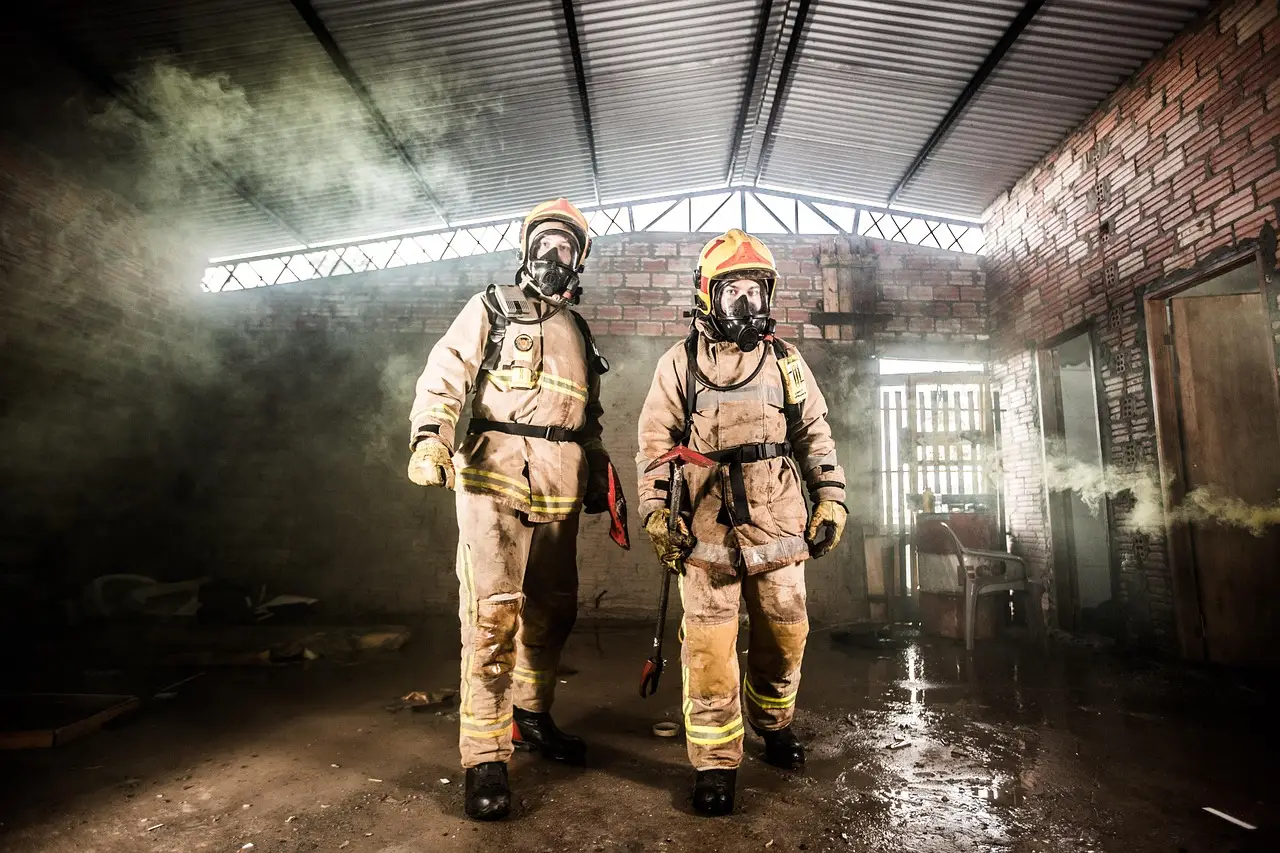
Bozeman unanimously accepted nearly $166,000 in 2025 fire grants for HazMat gear and health screening, despite objections that federal terms could require ICE cooperation.
Key points
- Bozeman commissioners voted 5-0 Tuesday to approve nearly $166,000 in two 2025 firefighter grants.
- $80,000 supports HazMat equipment through the 2025 MTDES HazMat Sustainment Grant Award.
- Nearly $86,000 supports cancer and advanced heart screenings through the 2025 FEMA Assistance to Firefighters Grant Award.
- FEMA Article 60 requires DHS cooperation and compliance with federal immigration law.
- More than 100 people were detained during a week of targeted ICE raids in Gallatin County.
Bozeman commissioners unanimously approved nearly $166,000 in 2025 public-safety grants for firefighters on Tuesday evening, overriding objections from scores of residents packed into City Hall over provisional federal language tied chiefly to immigration enforcement.
What did the 5-0 vote fund?
- The Bozeman Fire Department received $80,000 for HazMat equipment through the 2025 Montana Department of Emergency Services (MTDES) HazMat Sustainment Grant Award.
- It received nearly $86,000 through the 2025 Federal Emergency Management Agency (FEMA) Assistance to Firefighters Grant Award for firefighter health, including cancer screenings and advanced heart screenings.
The vote directs $80,000 to HazMat equipment and nearly $86,000 to preventive health work. It does not resolve whether the city must comply with federal immigration-enforcement demands.
Takeaway: Bozeman accepted nearly $166,000 for firefighting needs, but its immigration-law exposure remains disputed.
What does acceptance require?
The prime legal question is whether accepting the money binds Bozeman to conditional federal requirements, including cooperation with U.S. Immigration and Customs Enforcement (ICE) and compliance with presidential executive orders.
Article 60 of the FEMA award carries the title “State Homeland Security Program: Compliance with Federal Immigration Law.” It mandates cooperation with the Department of Homeland Security (DHS) and compliance with federal immigration requirements. The MTDES award comes through Montana’s state homeland security program, which DHS also oversees.
City Attorney Greg Sullivan said Tuesday that Bozeman could and should accept the essential funds without changing established protocols. He called the federal provisions “arbitrary and capricious” and unenforceable. Sullivan also said disputes over FEMA funding as leverage have flooded courtrooms across the country, with courts largely ruling against the administration. Sullivan offered that assessment; the vote produced no ruling on Bozeman’s awards.
City Manager Chuck Winn said: “Our police officers are not, nor will they be, immigration officers or tools of ICE.” He added: “We are here to protect our community; we are not here to enforce immigration, nor are we here to be tools for a federal agency to use us to do that work.”
Takeaway: The city accepted the grants on the view that federal immigration conditions cannot force a local policy change.
Why did residents fight the grants?
During nearly three tense hours of a seven-hour meeting, residents lined up at the microphone and asked commissioners to reject the money. Their near-unanimous message: tying essential firefighting aid to ICE cooperation looked like extortion, would undercut Bozeman’s policy of not cooperating with federal immigration enforcement, compromise civil rights, and endanger neighbors.
One Colombian immigrant and naturalized U.S. citizen said she wanted her child to grow up with her, not fear losing her in an ICE encounter because she is brown. Another woman, born abroad but raised in Butte, said she now carries her passport everywhere to prove her U.S. citizenship; she held up the document for the room to see.
A further speaker told commissioners not to look away because some panel members were looking down, asked them to listen to everyone present, said residents did not want the possibility of ICE locally, and called the grants “blood money.”
Sprague Hollander said the administration, ICE, and DHS had shown contempt for the rule of law. She said ICE did come to Bozeman during the first two weeks of July, when she delivered food to traumatized, grief-stricken families with shades pulled down. She saw no city officials during that work, and someone pointed a firearm at the families.
Brandy Straub described unwittingly becoming entangled in an ICE operation while dropping her 12-year-old daughter and a neighbor’s 11-year-old child at a summer theater camp at Bozeman Summit School in early July.
According to the Daily Montanan, agents pursued two men on foot with guns drawn after they exited a truck. Straub braked sharply to avoid the truck, and an officer pointed a weapon through her passenger-side window.
The Daily Montanan also reported that ICE detained more than 100 people during a week of targeted raids across Gallatin County. Residents said accepting the grants would tacitly endorse those actions and could invite future encounters.
Takeaway: Public opposition centered on federal leverage, civil-rights risk, and residents’ direct experience of armed ICE operations.
What remains unresolved?
After the vote, Commissioner Emma Bode said the city would confront what it called executive overreach and seek to “take back our money and pick a (legal) fight if we need to.” That pledge sets up a potential fight without identifying a remedy or timetable.
Commissioner Alison Sweeney said: “I have no interest in this community working with ICE, and I honestly believe no one else up here does, either.” She continued: “But the reality is we can take the grant, we cannot take the grant, they can come tomorrow. … There are no guarantees.”
One woman said the room sought no guarantees, only a stand to protect constituents. After the 5-0 decision, people repeatedly chanted: “This commission needs to listen!”
Takeaway: The city has the awards, while the legal risk and public split over them remain open.
via Google News: Federal Grants (Source)
More from Olivia Hart
Show full bio
Correspondent covering people, launches and day-to-day practice in grant writers, development directors, researchers and grants administrators at Grants News.
23 articles