Filed
Research FundingFunding file
Supreme Court Refuses Trump Appeal Over $150M in UC Grants
The Supreme Court declined review of a $150 million UC grant dispute, leaving intact a free-speech ruling and a separate order restoring $581 million in UCLA funding.
Key points
- The Supreme Court declined review on Monday, leaving the Ninth Circuit's First Amendment ruling intact.
- About $150 million in NEH and NSF grants to the University of California were at issue.
- UC received more than $4 billion in federal grant money in 2024; the contested $150 million equaled under 4%.
- Judge Rita F. Lin restored about $581 million in UCLA grants in August and September 2025.
- A separate Justice Department suit seeks more than $2 billion in grant repayment from UC.
What did the Supreme Court decide?
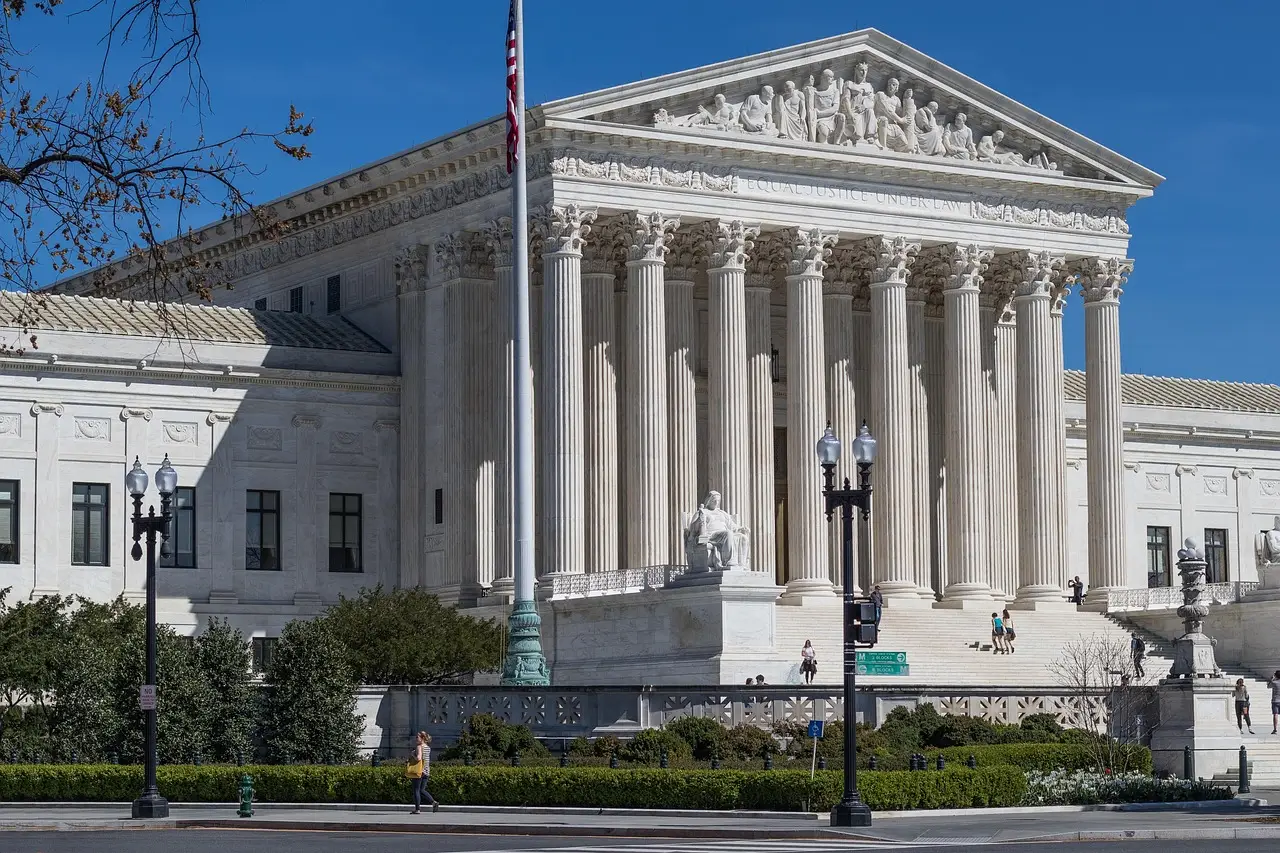
The Supreme Court on Monday refused to review the Trump administration’s attempt to terminate about $150 million in University of California research grants.
The court denied review without comment or dissent, leaving intact a Ninth Circuit ruling that the cutoffs violated the First Amendment. That is not a final ruling on the underlying dispute; it means the appeals court’s free-speech decision remains controlling in this case.
Solicitor General D. John Sauer told the court, “Vast sums of taxpayer money are at stake.” The contested $150 million equals less than 4% of the more than $4 billion UC system received in federal grant money in 2024.
Sauer argued that the Ninth Circuit decision would make taxpayers fund private projects promoting ideologies that public stewards reject, and that its First Amendment reading could limit government authority over spending and grants. The court declined review without explanation.
UC Berkeley Law Dean Erwin Chemerinsky urged denial, arguing that ideologically driven attempts to suppress a particular viewpoint are presumptively unconstitutional in government funding.
Takeaway: Supreme Court review ended without resolving the broader grant fight.
Which grants does the ruling protect?
The administration’s appeal covered research awards from the National Endowment for the Humanities and the National Science Foundation. It sought cancellation of about $150 million in UC grants, a small part of a broader fight that could affect several billion dollars in government grants.
Claudia Polsky, a UC Berkeley law professor representing the researchers, said the appeal’s outcome also protects hundreds of millions in restored UC grants from the National Institutes of Health and the Defense and Transportation departments. Professors challenged those cuts on free-speech grounds, and a separate order in the same lawsuit restored the funding.
A UC spokesperson said the decision preserves an important victory for researchers whose work and grants the administration targeted. The spokesperson said it supports funding decisions based on merit rather than politics; Polsky called the court action very consequential.
For UC researchers, the practical change is continued access to restored awards and a free-speech defense against viewpoint-based grant exclusions.
Takeaway: Some grants gained protection, while other disputes continue.
Why did the administration target the grants?
When Trump returned to office last year, he issued an executive order ending what he called radical and wasteful government DEI programs. He alleged that universities had adopted dangerous, demeaning and immoral race- and sex-based preferences under the guise of DEI.
Federal agencies then sent form letters to professors, terminating grants after finding terms such as diversity, equity or environmental justice in proposals.
The affected work included UC Berkeley’s effort to edit and publish Mark Twain’s writings and a UCLA study of how information spreads on social media. Researchers received agency notices saying the projects no longer fit agency priorities.
Six UC professors filed a class-action suit in June 2025, citing due process and government-procedure claims as well as free-speech grounds.
The case, Trump v. Thakur, took its name from UC San Francisco researcher Neeta Thakur, whose $1.3 million Environmental Protection Agency grant studied wildfire smoke’s effects on California communities.
Takeaway: Keyword targeting launched the dispute over lawful grant cancellations.
Why did the lawsuit narrow to free speech?
The Supreme Court narrowed claims in different, larger cases involving health and education grants. It said disputed grant cancellations must go to the Court of Federal Claims and cannot be overturned by a federal judge.
Citing those decisions, the Ninth Circuit limited the UC case to a First Amendment claim in May. The appeals court said the government may not use “its power to punish or suppress disfavored expression.”
The Ninth Circuit also recognized the government’s discretion to fund some programs and reject others. Its limit was equally clear: officials may not discriminate against qualified grant recipients because of the recipient’s viewpoint.
In August, Sauer asked the Supreme Court to review Trump v. Thakur and reverse the Ninth Circuit, warning that the decision would create a dangerous precedent that could hamstring every future administration. The court considered the appeal for just one week.
The legal route narrowed.
Takeaway: Free speech became the narrow path, not a complete settlement.
What remains in immediate dispute?
An attorney said the National Science Foundation had suspended at least 18 research grants to UC Berkeley despite an injunction restricting such suspensions.
A federal judge also ordered the administration this week to restore millions of dollars in grants to UC researchers leading the class-action lawsuit.
The account did not list the 18 grants or say whether the judge’s restoration order covered them.
That gap remains open.
Takeaway: The 18 Berkeley suspensions remain exposed to enforcement uncertainty.
How large is UCLA’s separate exposure?
The UC case has already had effects beyond the six professors. In separate orders, U.S. District Judge Rita F. Lin in San Francisco restored about $581 million in UCLA research grants in August and September 2025. The administration had frozen that money over allegations of campus antisemitism.
Months after that restoration order, the Justice Department sued UC, alleging UCLA tolerated antisemitic harassment of students. The suit seeks repayment of more than $2 billion in research grants, and UC asks the court to dismiss the case.
The repayment demand exceeds the restored $581 million by more than threefold. Monday’s Supreme Court action did not decide the demand, the harassment allegations or UC’s request to dismiss.
That exposure remains.
Takeaway: UCLA’s more-than-$2-billion repayment claim remains unresolved.
via Google News: Research Funding (Source)
More from Olivia Hart
Show full bio
Correspondent covering people, launches and day-to-day practice in grant writers, development directors, researchers and grants administrators at Grants News.
23 articles