Filed
Compliance & ReportingFunding file
Pennsylvania Opens Raffles to Online Sales and Electronic Payments
Two new Pennsylvania laws let eligible nonprofits take electronic payments for raffle tickets starting late December and let fire companies run raffles online, with prize caps rising to $4,000.
Key points
- Pennsylvania's new laws take effect starting late December, allowing electronic payments for raffle tickets with buyers verified as 18+ and located in Pennsylvania.
- Prize limits for eligible organizations rise from $2,000 to $4,000 over a seven-day period.
- Governor Josh Shapiro signed SB 907 (Sen. Devlin Robinson) and SB 1109 (Sen. Michele Brooks) in October 2026.
- Good Intent Hose Company No. 1 was ordered to stop online raffles this summer after six years that funded equipment, a mortgage payoff and donations to 50+ nonprofits.
- A previous version of the bill passed the Senate in 2023 but stalled in the House.
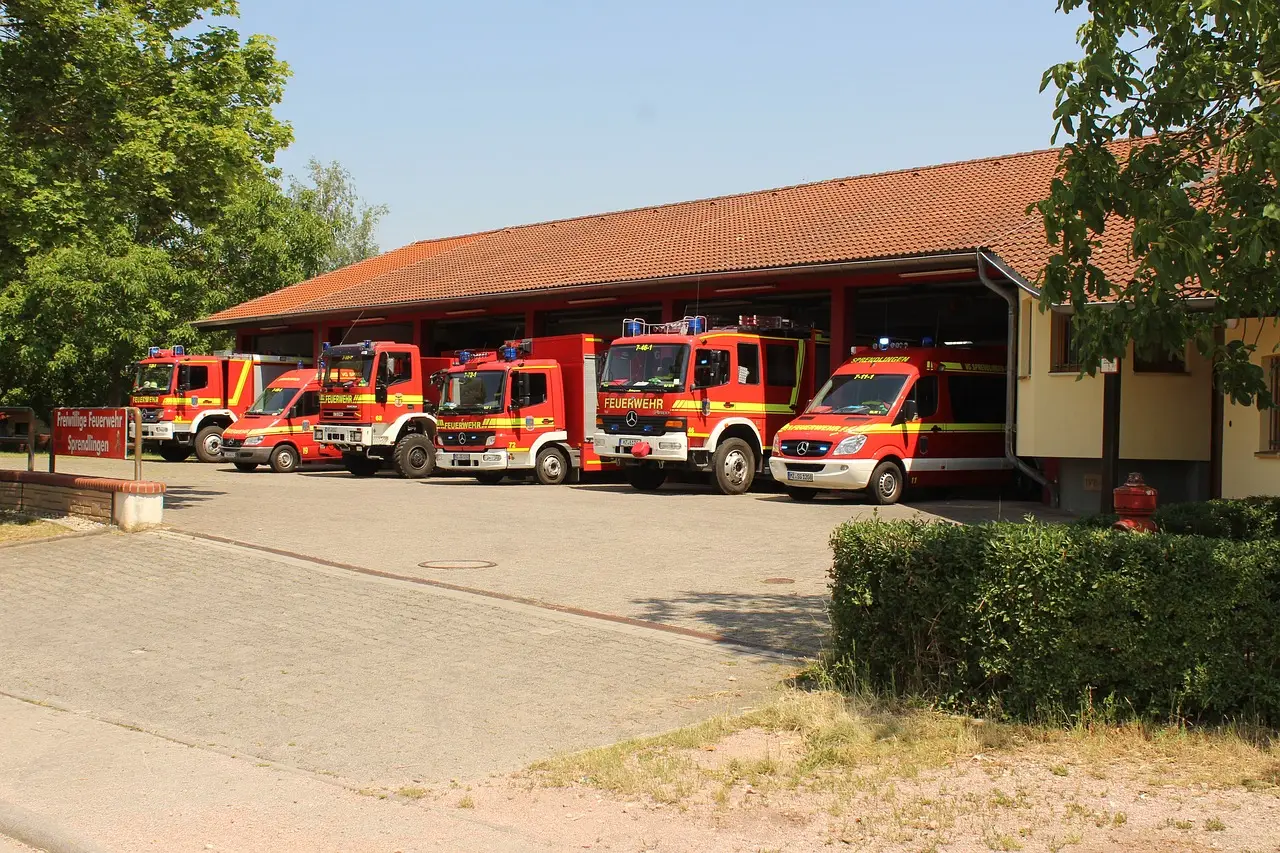
Pennsylvania nonprofits can accept credit, debit and mobile payments for raffle tickets starting in late December, under two bills Governor Josh Shapiro signed into law last month.
The measures rewrite state rules that dated from an era before online fundraising and cashless giving. They arrive after county treasurers warned volunteer fire companies that their online raffles broke state law and put their small games of chance licenses at risk.
What does the new law change?
- Eligible organizations, including volunteer fire departments, can accept electronic payments for raffle tickets. Sellers must verify that buyers are at least 18 and located in Pennsylvania at the time of sale.
- Fire companies, VFWs and American Legions holding small games of chance licenses can conduct raffles online.
- Eligible groups can award more prize money over a seven-day period — the cap rises from $2,000 to $4,000 — and keep a larger share of the money they raise for operating expenses.
State Senator Devlin Robinson (R., Allegheny) sponsored the electronic-payments bill, Senate Bill 907. He told Spotlight PA the change closes a gap between statute and practice.
"People are relieved," Robinson said. "They're finally able to get into the 21st century."
State Senator Michele Brooks (R., Mercer) sponsored the companion measure, Senate Bill 1109, which covers online raffles and prize limits for licensed fire companies.
Why did nonprofits push for this?
For many volunteer departments, small games of chance decide whether the lights stay on. Jeff Shaffer, president of the Springfield Volunteer Fire Company in Huntingdon County, said his department plans to start holding online raffles to bring in additional revenue. Bingo and meat sales covered routine costs, but larger expenses — like a new fire truck — outstripped those fundraisers.
"We need something else, and this is something else," Shaffer told Spotlight PA. "If we can pull in a couple thousand dollars a month, that obviously could be a truck payment."
The COVID-19 pandemic sharpened the problem. In-person events disappeared, and nonprofits looked for new revenue streams, but online raffles sat in a legal gray zone because state law never addressed them.
What happened to departments that moved first?
Good Intent Hose Company No. 1 in Schuylkill County ran online raffles for years before regulators caught up. Over the past six years, that revenue helped the company buy three pieces of equipment, pay off a mortgage, cover its share of a grant without taking out a bank loan, and donate to more than 50 other local nonprofits, according to Paul Kendry, the company's public information officer.
This summer, the state told Good Intent to stop because the practice violated state regulations. Kendry said his first text went to the company president, followed by messages to the local state representative and state senator; by the next morning the fire company had an action plan and joined others pushing for a rule change.
"One voice became two, and two became five, and five became a thousand," Kendry told Spotlight PA.
In Centre County, Treasurer Colleen Kline warned at least two volunteer fire companies earlier this year that online raffles could cost them their licenses. She said she did not want to penalize groups trying to raise money, but every organization had to follow the same rules.
How did the bills pass after years of stalling?
A previous version of Robinson's bill passed the state Senate in 2023 but stalled in the House. At the time, House Democratic spokesperson Elizabeth Rementer said lawmakers had not heard from nonprofits about problems with the law but were open to revisiting it.
Robinson credited advocates with contacting lawmakers across the state and building broader support. Advocates joined Robinson and other lawmakers in Harrisburg in September as the legislative session entered its final stretch, seeking proposals that could cross the finish line before the two-year session ended — otherwise the process would have restarted in 2025.
"It has to be a statewide effort," Robinson said. "That's how you can guarantee or know that you're giving a bill that you're advocating for the best chance of success — by getting as many legislators involved as humanity possible."
State Representative Tim Twardzik (R., Schuylkill) said at the Capitol event that supporters value online fundraisers and a small number of volunteers can run a successful event, freeing more of an organization's time and resources for its mission.
What comes next?
Kline called electronic payments "a huge jump forward for everybody" but said she hopes lawmakers eventually allow all eligible organizations to hold online raffles. Kendry agreed the new laws are a step forward, not the end of the conversation, and hopes the updates lead to a complete rebuild of the Small Games of Chance Act.
"I'm very hopeful that we will get that opportunity in the next session from lawmakers on both sides of the table because at the end of the day, this is not a partisan issue," he said.
via Google News: Nonprofit Funding (Source)
More from Rebecca Stone
Show full bio
Market editor covering money, funding and market shifts around grant writers, development directors, researchers and grants administrators at Grants News.
23 articles