Filed
Research FundingFunding file
FIP consortium secures $1.5 million for rapid test and cat biobank
Morris Animal Foundation and EveryCat Health Foundation gave about $1.5 million to an international FIP consortium. Phase two targets a rapid test, global cat-sample biobank and antiviral research.
Key points
- The Morris Animal Foundation and EveryCat Health Foundation awarded about $1.5 million.
- Six institutions will build a global FIP biobank, with blood and genetic material housed primarily at CSU.
- Researchers identified FCoV-23, a new canine-feline viral hybrid, as the cause of the 2023 Cyprus outbreak.
- Typical FIP affects an estimated 1%-2% of cats, while infection reached 40%-50% in Cyprus.
- CSU's immunoassay is 78% accurate, but no effective rapid FIP test exists.
About $1.5 million in new funding will support a second phase of an international feline infectious peritonitis project that Colorado State University helps lead. The Morris Animal Foundation and EveryCat Health Foundation made the award to a consortium pursuing a rapid diagnostic test and a global biobank for cats with FIP.
The project follows the initial outbreak response on Cyprus, a small island in the eastern Mediterranean with a large population of community and shelter cats. In 2023, veterinary scientists in Cyprus and at Aristotle University of Thessaloniki responded quickly by providing antiviral therapy to sick cats and collecting samples. The consortium has now completed that initial control phase.
Samples from the response reached the University of Edinburgh and Cornell University. Researchers there identified FCoV-23, a previously unknown genetic hybrid of existing canine and feline viruses, as the cause of the Cyprus outbreak.
What does the $1.5 million fund?
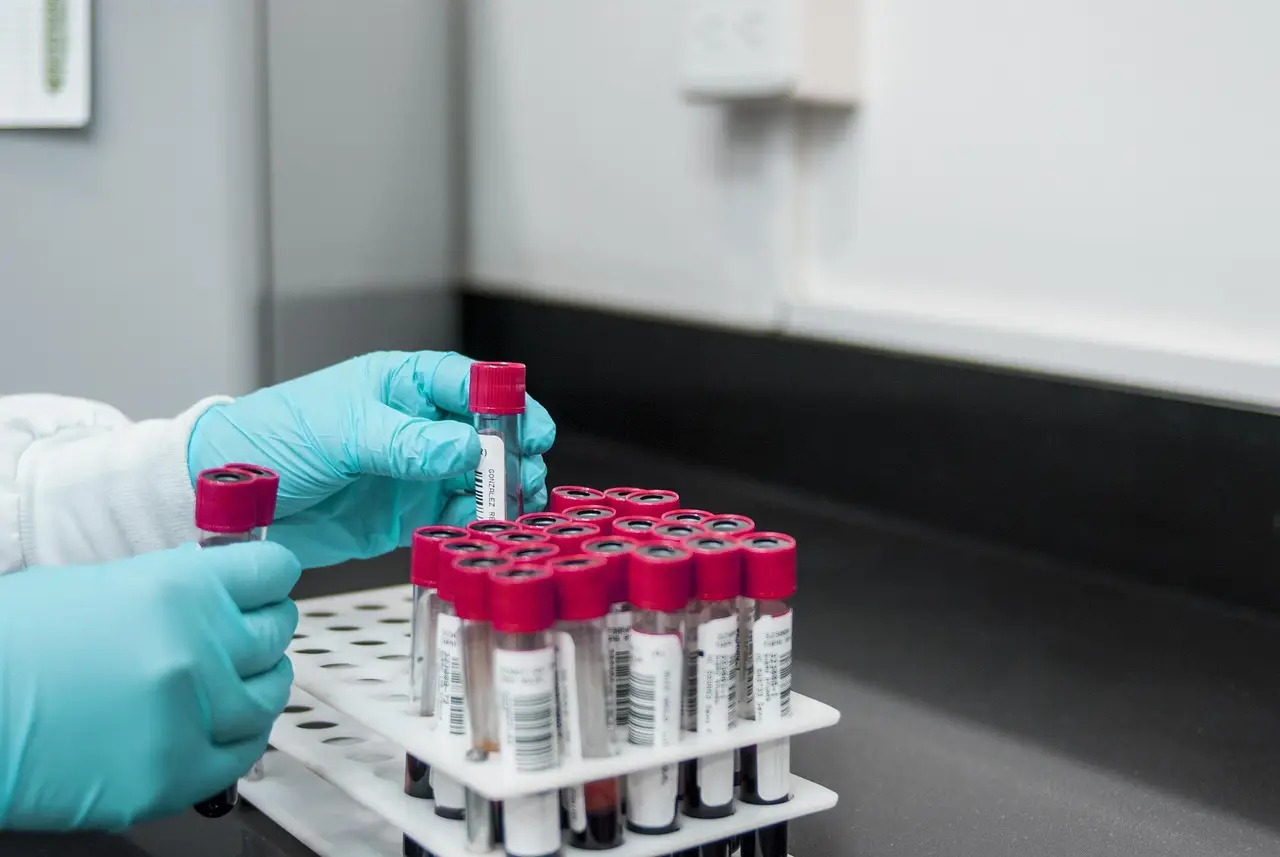
The award will support a second phase focused in part on a global biobank of samples from cats with FIP and a rapid diagnostic test. CSU will house most of the blood and genetic material. Scientists from six institutions will build the collection:
- Colorado State University
- University of California, Davis
- Cornell University
- University of Munich
- University of Sydney
- University of Georgia
The samples should let researchers compare how the virus behaves across regions and support work on new diagnostic tools. Dr. Krystle Reagan, the CSU biobank manager, said Cyprus showed that FIP cases can differ genetically and cannot be assumed to involve one uniform virus.
She also serves as assistant director for research and innovation at CSU’s Center for Companion Animal Studies. Reagan said: “Now we have an opportunity to compare worldwide: What differences are we seeing in the virus that may be related to different ways the disease manifests?”
The wider consortium also includes:
- University of Milan
- University of Glasgow
- University of Virginia
For grant professionals, the $1.5 million is already committed to a defined group, not offered through a new funding round. The announcement provides no application window, match requirement or eligibility terms.
The biobank will also aid researchers developing diagnostic tests, including a rapid test for use during a future outbreak. New antiviral therapies have improved treatment, but FIP remains hard to diagnose, and the consortium still needs better prognostic tools.
Dr. Katrin Hartmann, a University of Munich professor and consortium member, said: “We urgently need to investigate new antiviral treatments, improve our diagnostic tools, and identify reliable prognostic markers that will help us provide the best possible care for each individual cat.” She said FIP continues to claim too many cat lives worldwide despite recent treatment gains.
Why did Cyprus trigger alarm?
FIP is caused by a mild feline coronavirus that affects up to 90% of domestic cats. In a small subset, the virus mutates and produces severe FIP, but clinicians have difficulty distinguishing the two forms.
FIP typically affects an estimated 1%-2% of cats, especially younger cats and kittens. During the Cyprus outbreak, infection reached 40%-50% and spread to cats of all ages. The strain also spread faster and reached more cats than researchers expected.
Dr. Gregg Dean, associate dean for research at CSU’s College of Veterinary Medicine and Biomedical Sciences, said earlier outbreaks usually faded. He helps lead the consortium and described Cyprus as larger and longer than usual, with a fear that the virus could reach Europe and cause a wave of cat deaths.
Researchers also questioned a transmission pattern they had not seen before. They worried that cats might pass the virus to other cats, although experts had not previously observed common cat-to-cat spread. The consortium continues to investigate that possibility.
Gary Whittaker, a Cornell virology professor and consortium member, said understanding transmission could lead to new interventions. He also warned that researchers must first understand the virus’s biology, because their existing evidence left them without a reliable guide.
What diagnostic gap remains?
CSU researchers recently developed an immunoassay test with 78% accuracy. An effective rapid FIP test does not exist, and the funded phase seeks to close that gap. Dean said the team still lacks a minimally invasive diagnostic test and is pursuing several new approaches.
He described the consortium’s cooperation as exceptional, noting that members had worked on the virus and disease for decades. Their joint effort now targets questions that individual teams could not resolve alone.
CSU frames the work within its land-grant mission, which has guided the university since its founding: improving the health of animals, people and the planet. The College of Veterinary Medicine and Biomedical Sciences remains central to that mission.
The college offers bachelor’s degrees in biomedical sciences and neuroscience, along with a graduate program that includes the Doctor of Veterinary Medicine. Faculty work on infectious disease, orthopedics, neuroscience, cancer biology, animal reproduction and translational medicine.
via Google News: Federal Grants (Source)
More from Daniel Okafor
Show full bio
News editor covering regulation, policy and their impact on grant writers, development directors, researchers and grants administrators at Grants News.
22 articles